Many homes are under equipped
When Michelle Johnson’s Pauls Valley home caught fire in the early morning hours of Sept. 14, it wasn’t her smoke alarms that woke her up. It was her dogs. As one barked frantically from the kitchen, another roused her out of the bed.
“I thought someone was in the house,” said Johnson, who was the only one home at the time.
Once up, she turned on a light and saw just a faint wisp of smoke coming through an air vent.
She rushed to put the dogs out, and then began looking for the source of the smoke. It turned out to be a bathroom in another part of the house already fully engulfed in flames.
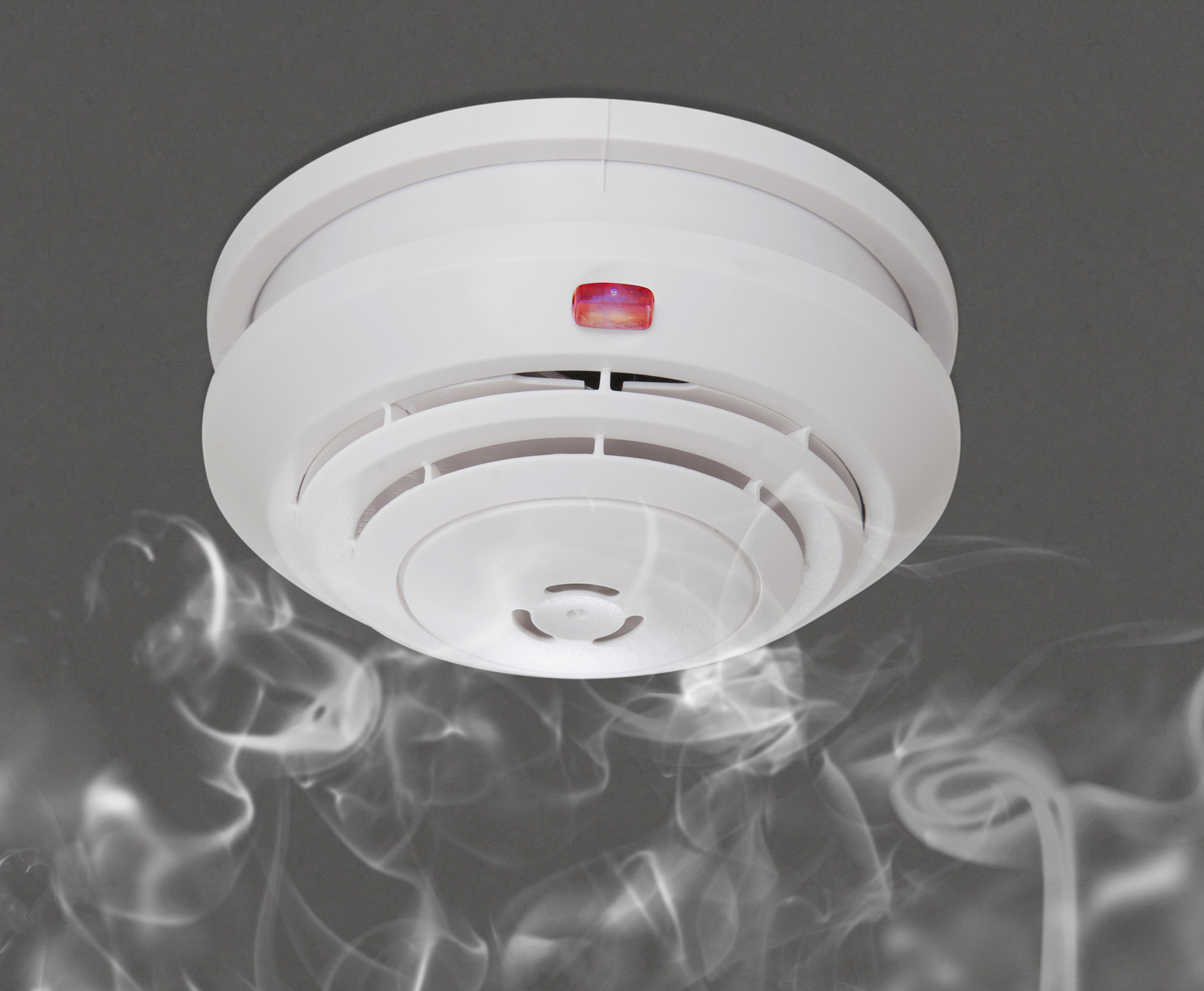
Johnson had two working smoke alarms in the house, but she said the problem was in the 15 minutes that the alarms could have done some good, the smoke was largely contained behind a closed bathroom door. Because the smoke never reached the alarms, they didn’t go off.
While most of us know it’s important to test our smoke alarms regularly, Pauls Valley Fire Chief Mark Norman said it’s just as important to make sure you have an adequate number of smoke alarms placed at key locations in your home to ensure they alert you to a problem before it’s too late.
It’s recommended smoke alarms be installed in each bedroom or sleeping area of a home, as well as in hallways or living areas immediately outside of those sleeping areas. Smoke alarms should be located on each floor, or level, of a home, and in areas where fires are more likely to start, like kitchens, laundry areas, bathroom or garages.
Norman said many newer smoke-alarm systems include alarm modules that are interlinked, so if one alarm is triggered all the alarms in the house go off, ensuring the most immediate notification of a fire anywhere in your home.
Anyone who needs help installing smoke alarms or who has questions about smoke alarm placement can contact the Pauls Valley Fire Department for assistance, Norman said. There are also resources available through the fire department for those who need smoke alarms.
As we head into the winter months, Norman said it is also a good idea to have your heat system checked to make sure it is operating properly, not just to mitigate fire threats but also to look for carbon monoxide hazards.
He also recommends checking smoke and carbon monoxide detectors regularly to make sure the batteries are charged, and the unit is working. Most alarms should be replaced every ten years or so.
Michelle Johnson and her pets escaped her house fire without serious injury, though her home sustained significant damage. With the help of insurance, her family is in the process of making repairs so they can move back in.
She said the experience has left her with a few tips for anyone who finds themselves in a similar situation.
The first is to stay below the smoke.
“I didn’t at first. Had I stayed low I wouldn’t have inhaled as much smoke – which really adds to the sense of panic,” she said.
The second is to have a predetermined place for your pets going to go in an emergency. With several dogs and a cat to deal with, Johnson said she found herself trying to find a safe place for her animals as emergency personnel worked to put out the fire.
And third, designate a safe meeting place outside your home, but also let other family or friends know where that place is.
“Even if family members don’t live with you, let them know where they can find you in an emergency,” Johnson said. “I had frantic family members searching for me, and I was standing in the same place in the yard the whole time.”