As we move through the final stretch of session, much of our work now depends on action in the Senate. Several House measures are still waiting to be heard, and others remain in limbo. We continue to monitor those closely and advocate for the priorities that matter most to our communities.
One issue I want to address directly is Senate Bill 2074, a pharmacy benefits manager, or PBM, reform bill that was recently vetoed by the governor.
PBMs act as middlemen between insurers, known as payors, and the pharmacies and providers, known as payees, who serve patients.
While they were originally intended to help manage costs, the reality is they now hold significant control over how pharmacies are reimbursed for prescriptions.
Too often, independent and rural pharmacies are paid less than larger, PBMaffiliated pharmacies for the exact same medications.
That imbalance puts local pharmacies at a disadvantage and, in many cases, threatens their ability to stay open. These are the pharmacies that know their patients, that stay open late when needed and that serve as a frontline resource in rural healthcare.
Senate Bill 2074 is a step toward fairness. It would ensure that when a pharmacy successfully appeals a reimbursement, that corrected rate is applied consistently and retroactively. It also would require transparency and timely repayment when errors occur. These are reasonable expectations. I support our local pharmacies and will continue working to make sure they are treated fairly in a system that has become increasingly one-sided.
Now that the Governor has vetoed this bill, it will need a two-thirds vote from both Chambers for a veto override and for the bill to then become a law.
We are also continuing work on Senate Bill 640, which addresses cleanup requirements for medical marijuana grow operations. This measure would require businesses to properly dispose of waste, maintain their properties and cleanup sites within 30 days if a license expires or is revoked. It would also allow the state to set aside funding that counties could access if they choose to assist with cleanup efforts.
It is important to note that counties would not be required to take on this responsibility. They would have the option to step in or to contract the work out if needed. Right now, we are still working with all parties involved to finalize language that is both effective and workable.
Related to this effort is legislation by Sen. Warren Hamilton, Senate Bill 3519, which focuses on land reclamation. In parts of our district, we have seen the impact of businesses that did not leave properties in good condition. That is not acceptable. If a business operates in our communities, it should also be responsible for restoring the land when it is finished. This is about protecting our environment, our property values and the quality of life for the people who live nearby.
These issues all come back to a simple principle.
We should support the businesses and providers who do right by our communities, and we should hold accountable those who do not. Whether it is standing up for independent pharmacies or ensuring proper cleanup of commercial sites, we need to put in place policies that are focused on the long-term well-being of not only our district, but all of Oklahoma.
It is a true honor to serve you! If you have any questions or concerns, please feel free to contact me.
My email address is cynthia.roe@okhouse.gov, or you can call my office at (405) 557-7365. Thank you for letting me represent you at the Capitol!
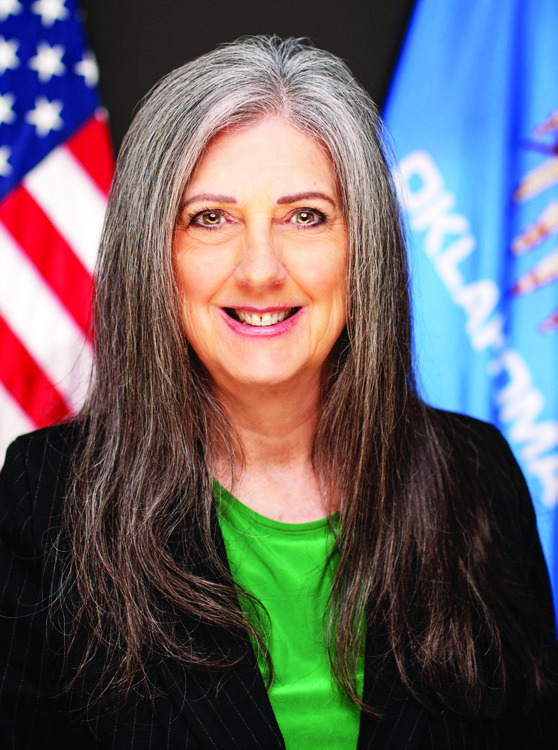
Rep. Cynthia Roe, a Republican, represents House District 42 in the Oklahoma House of Representatives.
Her district includes portions of Cleveland, Garvin and McClain counties.