OPINION/COLUMN
The Oklahoma House of Representatives continues to take a hard look at issues that impact public safety and our communities. I hosted an interim study this week that was heard in the House Alcohol, Tobacco and Controlled Substances Committee to examine a growing concern of abandoned marijuana facilities across our state Interim study, IS 25-016, brought together several state and local partners who are on the front lines of enforcement and cleanup efforts of these abandoned places.
We heard from Brian Surber, deputy director of the Oklahoma Bureau of Narcotics and Dangerous Drugs Control (OBNDDC); Mitch Smith., Lt. Col. with the Oklahoma Marijuana Enforcement Team; Madison Miller, deputy executive director of the Oklahoma Department of Environmental Quality (ODEQ); and Garvin County Sheriff Jim Mullett.
The interim study process allows lawmakers to take a closer look at complex issues, identify problems and work toward solutions that could lead to future legislation. These studies take place outside of legislative sessions, are an important part of how we prepare for the upcoming session and ensure that our laws keep pace with the challenges our communities face.
Director Anderson shared that since 2022, the number of licensed marijuana growers in Oklahoma has been reduced by 75% which is more than 6,000. While that reduction is encouraging, many of those sites have since been abandoned.
These properties are often left unsecured, filled with hazardous materials and sometimes tied to fraudulent licenses or criminal enterprises.
Abandoned grow facilities create serious safety and environmental risks which was the intent of hosting the study. Law enforcement encounters unsafe wiring, damaged structures and even biohazards like mold and human waste.
Chemicals such as fertilizers, pesticides and solvents are often left behind. These sites can also pose fire risks, contaminate water and cause problems like open dumping, open burning and surface sewage. Our state departments have even seen water waste simply pooled on the ground.
Deputy Director Miller from ODEQ discussed how most environmental issues stop once a facility is abandoned, but large amounts of trash often remain. Determining who is responsible for cleaning up that waste is one of the biggest challenges we face, especially when these sites are deserted in the middle of the night with no owner to be found.
Our wonderful law enforcement agencies deserve credit for how well they coordinate and respond to this issue.
The OBNDDC, OMMA, ODEQ and local sheriffs’ offices work closely together to track down illegal operations and ensure public safety.
As legislators, our job now is to identify the gaps.
Who cleans up these properties? How do we prevent environmental hazards from lingering? And what can we do to better hold bad actors accountable?
This study was an important first step in finding those answers. I’m thankful to all the agencies that participated and to my colleagues who continue to work toward commonsense solutions that protect our communities and keep Oklahoma safe.
As always, I am praying for you and I am grateful that I get to represent our great District 42.
I am here to listen to your concerns and answer any of your questions. My email address is cynthia.roe@okhouse.gov, or you can call my office at 405-557-7365.
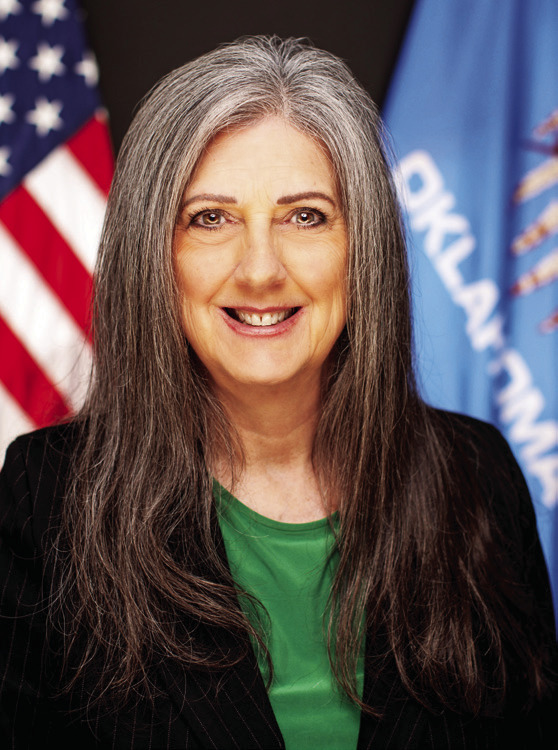
Rep. Cynthia Roe, a Republican, represents House District 42 in the Oklahoma House of Representatives.
Her district includes portions of Cleveland, Garvin and McClain counties.