OPINION/COLUMN
Oklahomans will see several state questions on the ballot in November 2026, including State Question 836 and State Question 837. Both proposals could significantly impact the way our state operates, so it’s important to understand what each one would do before heading to the polls.
State Question 836 seeks to replace Oklahoma’s current closed primary system with what’s called an “open primary.” Under this system, all candidates, regardless of party, would appear together on a single primary ballot.
Every registered voter could cast a vote for any candidate, no matter their party affiliation. The two candidates who receive the most votes would then move on to the general election, even if both belong to the same political party.
Supporters of SQ 836 say this would give every voter the chance to weigh in early in the election process and hold every candidate accountable to all voters.
However, others are concerned that the proposal could drastically change the political landscape of Oklahoma over time. Some fear it could weaken political parties, blur party distinctions and open the door to outcomes that don’t reflect the values of the majority of voters in our state.
As one Oklahoma GOP leader put it recently, “Don’t Californize my Oklahoma.” The concern is that the system would mirror the one used in several left-leaning states, where primary results sometimes produce two candidates from the same party on the general election ballot, which could leave many voters without a choice that reflects their beliefs.
Earlier this year, the Legislature passed a measure to make Oklahoma’s initiative petition process more balanced. Previously, it was possible for nearly all petition signatures to come from just the two most populous counties of Tulsa and Oklahoma.
Now, those gathering signatures must include participation from across the state, ensuring rural Oklahomans also have a voice in deciding which issues make it to the ballot. That change was about fairness, and it’s a good reminder of how much every corner of Oklahoma should matter in shaping our future.
State Question 837 is another major proposal on the ballot. It would legalize recreational marijuana use for adults 21 and older, allowing the purchase, possession and consumption of marijuana in any form.
The initiative would remove the current 7% tax on medical marijuana and replace it with a 10% tax on recreational sales.
It would also permit individuals to grow up to 12 marijuana plants for personal use and include a “right to privacy” for marijuana users, which basically means individuals could not be denied housing or employment because of their marijuana use.
The proposal would still prohibit driving under the influence or using marijuana in public places.
As voters consider these measures, I encourage everyone to take the time to read the full text of each state question, understand the long-term implications and think about what kind of Oklahoma we want to leave for future generations.
The next election will shape more than just policies, as it will also help define the principles that guide our state. Please be informed, be engaged and most importantly, make sure your voice is heard at the ballot box.
Thank you for the honor of representing you! I am always here to listen to your concerns and answer your questions. My email address is cynthia.roe@okhouse.gov, or you can call my office at 405-557-7365.
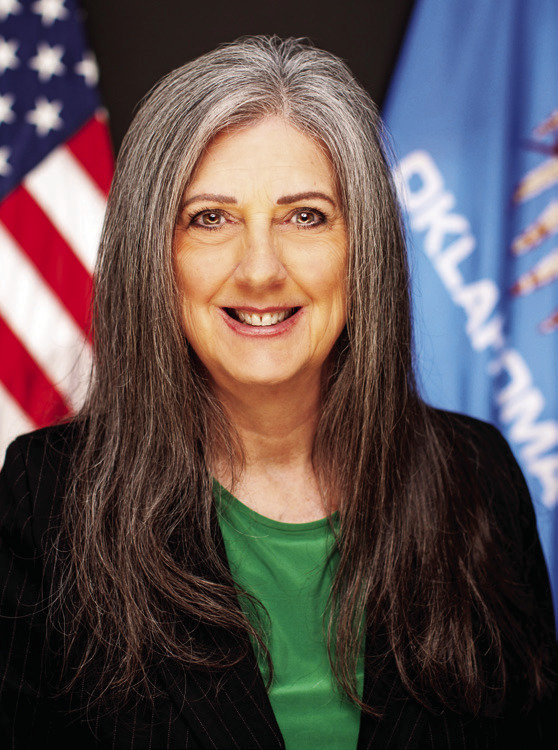
Rep. Cynthia Roe, a Republican, represents House District 42 in the Oklahoma House of Representatives. Her district includes portions of Cleveland, Garvin and McClain counties.